Understanding Counterfeit Money: The Risks and Consequences of Purchasing Fake Currency
In the complex world of currency and finance, counterfeiting presents a major criminal activity that can have disastrous effects. While some may consider the purchase of counterfeit money to be a victimless criminal activity or a quick solution to financial struggles, the reality is far more severe. This short article looks into the dangers associated with buying counterfeit money, the consequences of such actions, and the wider ramifications for the economy and society.
The Nature of Counterfeit Money
Counterfeit money refers to unlawfully produced currency that is made to mimic legitimate banknotes. These fake bills aim to deceive people and services into thinking they are using real currency. Generally produced with primitive strategies or innovative technology, counterfeit money can look remarkably comparable to authentic notes, making it harder for the typical individual to discern the difference.
Kinds Of Counterfeit Money
- Printed Counterfeit Notes: Often produced utilizing advanced printing strategies that replicate the appearance and feel of real currency.
- Digital Counterfeits: Created digitally, then printed and dispersed, often found in online deals.
- Fake Coins: Although less typical, counterfeit coins can also be developed and introduced into circulation.
The Allure of Counterfeit Money
For some, the concept of purchasing counterfeit money may appear appealing due to various factors such as monetary desperation, the excitement of engaging in illicit activities, or the viewed ease of obtaining high-end items without real monetary expense. Nevertheless, this temptation comes with severe consequences.
Legal Implications
The act of buying, selling, or using counterfeit money is a felony criminal activity in practically every nation worldwide. The specific laws and charges can differ by jurisdiction, however potential legal repercussions consist of:
- Criminal Charges: Those caught getting or possessing counterfeit money can deal with severe criminal charges, ranging from fines to jail time.
- Financial Loss: Victims who unwittingly accept counterfeit bills might lose their money, and finding recourse can be difficult.
- Civil Liability: Engaging in counterfeit money deals can lead to civil suits, resulting in substantial financial burdens.
Consequences of Purchasing Counterfeit Money
The threats associated with acquiring counterfeit money extend beyond legal implications. The act supports criminal enterprises and contributes to a range of economic issues.
Economic Impact
- Inflation: The introduction of counterfeit bills into blood circulation can interfere with the economy, contributing to inflationary pressures and weakening trust in the currency system.
- Increased Prices: Businesses may raise costs to offset losses incurred from accepting counterfeit money, eventually affecting customers.
- Job Losses: Counterfeiting can cause service closures and job losses, particularly in sectors heavily impacted by counterfeit currency or rip-offs.
Social Consequences
Beyond economic impacts, there are substantial social implications related to counterfeit money:
- Erosion of Trust: Counterfeit currency undermines rely on financial systems and organizations.
- Crook Networks: The sale and circulation of counterfeit money frequently fund criminal enterprises, perpetuating cycles of criminal offense and violence.
- Disillusionment of Victims: Individuals who succumb to counterfeit rip-offs may experience emotional and monetary distress, further perpetuating a cycle of skepticism within communities.
Frequently Asked Questions: Understanding Counterfeit Money
What should I do if I receive counterfeit money?
If you believe you have received counterfeit money, do not try to invest or utilize it. Rather, report it to local police or your country's treasury department. They have protocols in location for handling counterfeit currency.
How can I acknowledge counterfeit costs?
There are numerous functions to try to find:
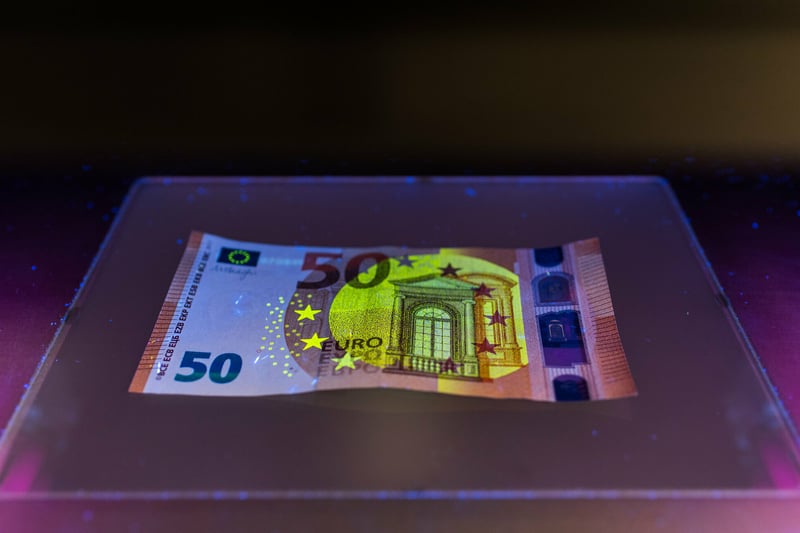
- Watermarks: Legitimate currency typically has watermarks that can be seen when held up to the light.
- Color-shifting ink: This unique ink changes color when you tilt the costs.
- Raised printing: Authentic notes usually have a raised texture that can be felt.
Why do people turn to purchasing counterfeit money?
People might turn to counterfeit money out of monetary desperation, misguided belief in the ease of acquiring fake notes, or as part of a larger criminal plan. Nevertheless, the risks and repercussions far exceed any short-term advantages.
Is it possible to get captured when attempting to acquire counterfeit money online?
Absolutely. Law enforcement agencies actively monitor online platforms for the sale of counterfeit currency. Taking part in such transactions puts individuals at high risk of arrest and prosecution.
While there might be a viewed attraction to buying counterfeit money, the reality is laden with dangers, legal penalties, and severe social consequences. Understanding click the following article is essential for people to make informed, accountable choices. Rather than surrendering to the temptations of counterfeit currency, seeking legitimate means to financial stability is even more feasible. It is in everybody's benefit to support the integrity of our financial systems and recognize the more comprehensive repercussions of supporting counterfeit operations.